Tensor emerges with transformational feats in both AI-driven computations and autonomous vehicles space. It leverages
light waves for ultra-fast tensor computing, mapping an innovative path in direct tensor processing. By 2026, the company predicts they could start selling private,
luxury Robocars, redefining autonomous vehicle ownership dynamics. In computational prowess, Tensor’s integration into machines translates to improved performance. This includes
quantum-inspired homogenization on CPUs, GPUs, and TPUs catalyzing a tenfold acceleration in processing high-resolution datasets. In cryptocurrency, Vector.fun, a Tensor-built Solana trading platform, is being acquired by
Coinbase to further its 'everything exchange' vision. Tensor’s
TPUs performance is further augmented by floating point emulation in cuBLAS. Moreover, a tensor network-based computational framework successfully addressed a significant physics challenge. The cutting-edge Tensor
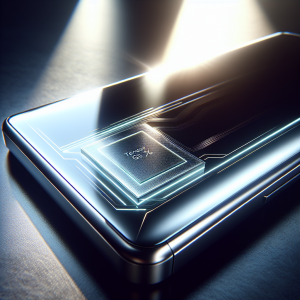
G5 technology is also being hailed as a game-changer for Google's Pixel range, contributing to accelerated device performance. On the innovation front, Tensor plans to roll out a fleet of Tensor Robocars via
Lyft in 2027. Furthermore, new tensor network-based methods could revolutionize simulation of quantum many-body systems. Tensor's breakthrough TPU technology also purportedly powers the first Silicon on TSMC’s 3nm ‘N3P’ lithography process. Following the release of Google's Tensor G5, chatter about the technology's contribution in Pixels continues. The autonomous Robocar, with a tentative 2026 release, aims to empower individual vehicle ownership rights. The establishment of a market for autonomous Tensor Robocars and projections for Lyft-ready vehicles by 2027 is perceptibly promising. Lastly, in the field of AI, the company's advancements redefine legacy processors with its Tensor Processing Unit (
TPU).
Tensor News Analytics from Mon, 13 Jan 2025 08:00:00 GMT to Wed, 10 Dec 2025 16:40:02 GMT -
Rating +8
- Innovation +7
- Information +5
- Rumor -3